

Exploring the Pros and Cons of Top Online Selling Platforms
In the ever-expanding world of online commerce, finding the perfect platform to sell your products can significantly impact your success. With so many options available, it’s important to consider the pros and cons of each platform. Below I look into the advantages and disadvantages of some popular online selling platforms: Poshmark, eBay, Mercari, Vestiaire Collective, Kidizen, Grailed, and Etsy.

1. Poshmark:
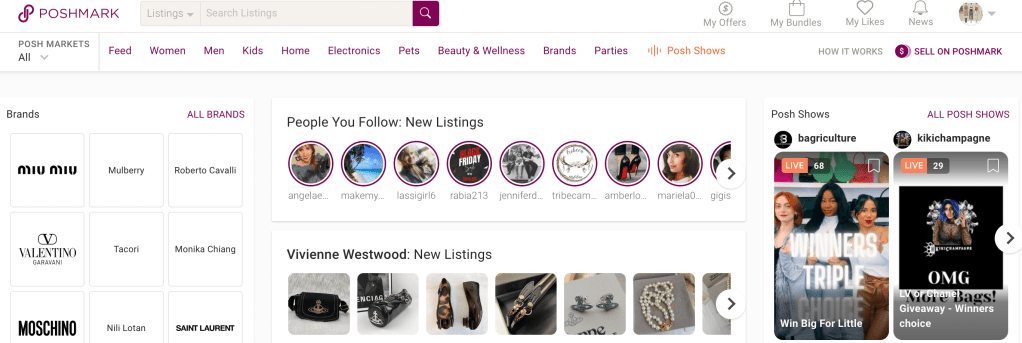
Poshmark a a social e-commerce platform for buying and selling of both new and pre-owned fashion items, home goods, and electronics. Boasting a user base exceeding 80 million, it features a vast array of over 200 million listings. The company’s headquarters are situated in Redwood City, California.
Pros:
- Social Selling: Poshmark fosters a social shopping experience, allowing you to connect with buyers and sellers. This can really be seen as both a pro and con, because the social aspect of the site can be time consuming.
- User-Friendly: The platform’s interface is intuitive, making listing and selling items very easy.
- Shipping Assistance: Poshmark provides pre-paid shipping labels, simplifying the shipping process for sellers.
Cons:
- Limited Categories: Poshmark is primarily fashion-focused, which might not be ideal for sellers with diverse products.
- Fees: Poshmark charges a steep 20% commission fee on sales. Also, in my experience most sales are made using the “offer to liker” feature which requires a minimum 10% reduction in price in addition to discounted shipping which you are required to pay the difference. These will quickly affect your overall profit margin.
If you want to try out Poshmark, here’s a link that will give you $10 off your first purchase:
Sign up here to Get $10 for signing up to Poshmark.


2. eBay:
eBay is one of the first online selling marketplaces. There are currently over 123 million users worldwide with 17 million active sellers. It is one of the most diverse selling places where you can find almost anything.
Pros:
- Global Marketplace: eBay offers access to a vast global audience, increasing your potential customer base.
- Auction Format: Sellers can choose auction-style listings, encouraging bidding wars and potentially higher prices.
- Seller Tools: eBay provides various analytics and tools to optimize your listings and enhance sales.
Cons:
- Fees: eBay charges listing fees and final value fees, which can impact profitability. They also have fees for promoting and I’ve found that I make the most sales promoting all listings.
- Competition: The platform is highly competitive, requiring strategic pricing and excellent customer service to stand out.

3. Mercari:
Mercari was founded in 2013 and is headquartered in Tokyo, Japan. It has over 20 million users. Electronics, handbags, and women’s fashion are some of the most popular items sold on the platform.
Pros:
- Simple Interface: Mercari offers an easy-to-use interface, making it accessible for beginners.
- Low Fees: Mercari charges lower selling fees compared to some other platforms, allowing you to keep more of your earnings.
- Buyer Protection: The platform provides buyer protection policies.
Cons:
- Limited Categories: Similar to Poshmark, Mercari’s focus is on specific categories, limiting options for sellers with diverse products.
- Limited International Reach: Mercari is primarily focused on the U.S. market, which might not be ideal for sellers looking to expand globally.

4. Vestiaire Collective:
Pros:
- Luxury Focus: Vestiaire Collective specializes in luxury and designer items, attracting a niche audience willing to pay premium prices.
- Authentication Services: The platform offers authentication services, ensuring the authenticity of high-end products.
- Global Audience: Sellers can reach a global audience of luxury fashion enthusiasts.
Cons:
- High Competition: The platform’s focus on luxury items means intense competition from other sellers offering similar products.
- Strict Standards: Vestiaire Collective has strict quality and authenticity standards, which might make listing certain items challenging.
5. Kidizen:
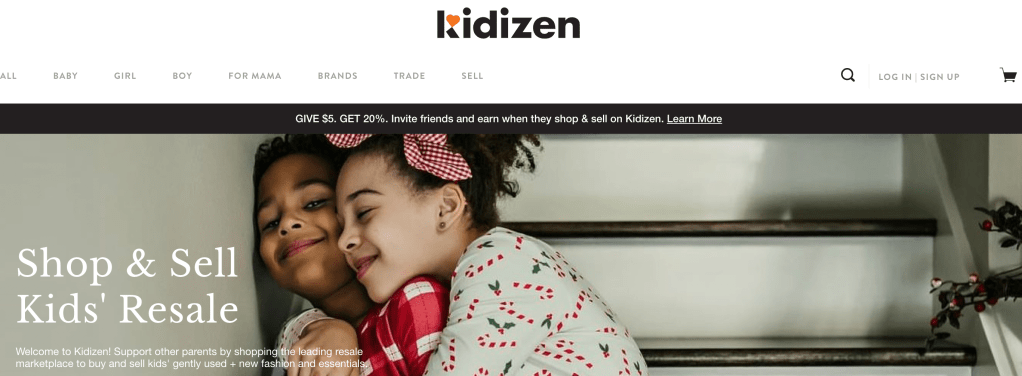
Kidizen is one of the biggest online platforms for buying and selling kids clothing.
Pros:
- Kid-Friendly Focus: Kidizen is designed for selling children’s clothing and accessories, catering to parents and caregivers.
- Community Engagement: The platform fosters a sense of community among parents, creating a supportive environment.
- Ease of Use: Kidizen offers a straightforward interface, making it convenient for parents on the go.
Cons:
- Niche Market: Limited to children’s items, Kidizen might not be suitable for all sellers with a broad range of products.
- Limited Buyer Pool: While focused, the platform’s audience might be smaller compared to more general platforms.
- Lower selling prices: Kids clothing generally sells for much less than adult clothing. Something to consider when calculating out your time vs income.
6. Grailed:
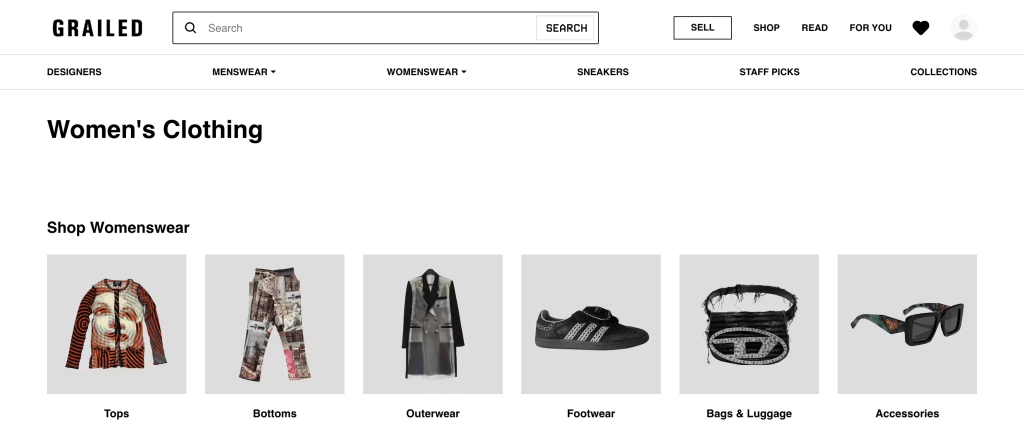
Up until recently, Grailed was a mens only marketplace. Grailed is focused on more luxury and high end fashion items. Grailed has over 10 million buyers and sellers.
Pros:
- Streetwear Focus: Grailed is geared towards streetwear and high-end fashion, attracting fashion enthusiasts looking for unique pieces.
- High-Value Items: Sellers can list high-value, rare items, potentially earning substantial profits.
- Secure Transactions: Grailed offers secure payment processing, ensuring safe transactions for both buyers and sellers.
Cons:
- Niche Market: Limited to streetwear and high-end fashion, which might not be suitable for sellers with diverse product categories.
- Listing Fees: Grailed charges a 9% fee to sellers in addition to 3.49% + .49 USD for US sales and 4.99% + .49 USD international processing fees.

7. Etsy:
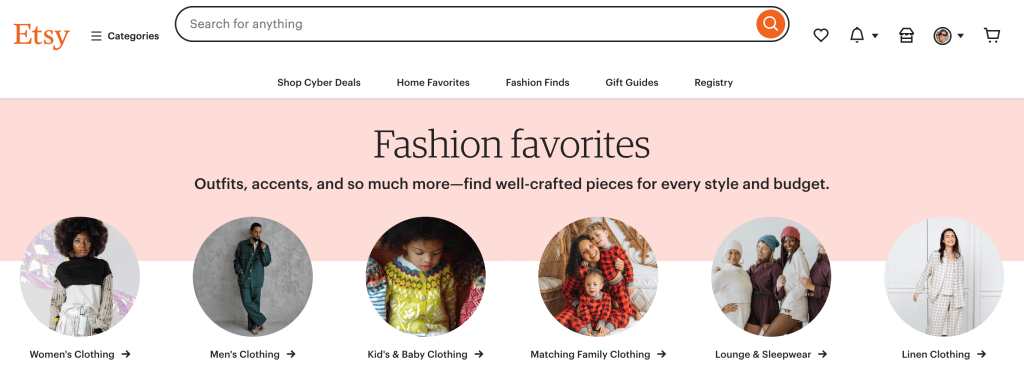
Etsy is online marketplace that focuses on mostly handmade and vintage items. There are over 95 million active users where 7.5 million are also sellers.
Pros:
- Handmade and Unique Items: Etsy is perfect for sellers offering handmade, vintage, and unique products, appealing to a specific customer base.
- Creative Community: The platform fosters a creative community, allowing sellers to connect with buyers who appreciate craftsmanship.
- Ease of Setup: Setting up an Etsy shop is relatively easy, making it accessible for artisans and crafters.
Cons:
- Niche Market: Etsy’s focus on handmade and vintage items means limited opportunities for sellers with mass-produced products.
- Competition: While niche-focused, competition within specific categories can still be fierce.
The choice of an online selling platform should align with your products, target audience, and business goals. My best advice is to pick just one platform to start with then gradually add on platforms if you enjoy reselling. I at one time was selling across 5 platforms and it was way too much for me to keep track of. I decided to sell mostly on eBay and Poshmark and have a few vintage listings on Etsy. By understanding the unique features and limitations of each of these platforms, you can choose the one that best suits your needs, ultimately maximizing your online selling success.

 thearbcollective.com